Industries worldwide are increasingly under pressure to reduce carbon emissions and adopt cleaner energy alternatives. Rising fuel costs, stricter environmental regulations, and global sustainability targets are encouraging businesses to move toward renewable energy solutions. One of the most practical and rapidly growing alternatives is biomass fuel.
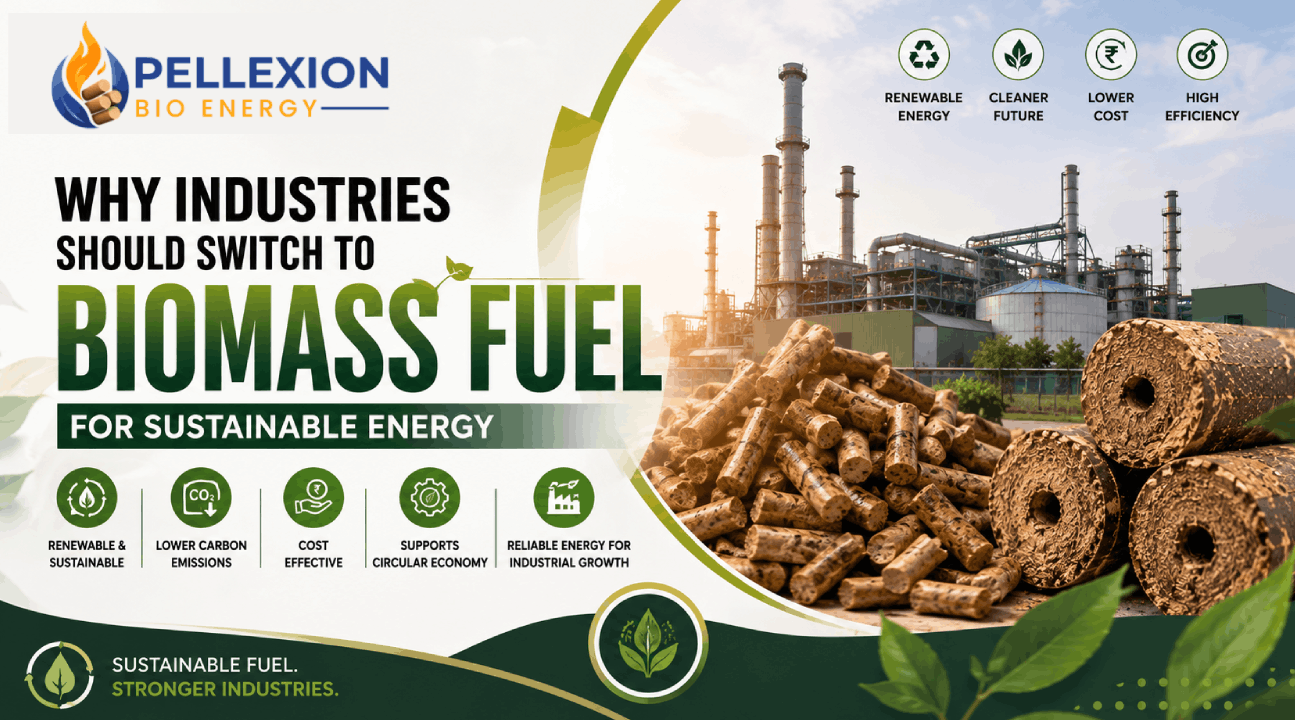
Biomass fuel is produced from organic materials such as agricultural residues, crop waste, and wood by-products. These materials are processed into energy-dense fuels like biomass pellets and biomass briquettes, which can be used in industrial boilers, furnaces, and heating systems.
As industries look for reliable and environmentally responsible fuel sources, biomass energy is becoming a key part of modern industrial energy strategies.
Growing Demand for Renewable Industrial Fuel
The global energy sector is steadily shifting toward renewable sources. Governments, environmental organizations, and industries are working together to reduce dependence on fossil fuels such as coal and oil.
Recent energy studies show the increasing role of renewable energy:
This shift reflects the growing need for sustainable industrial fuel solutions that support long-term energy security and environmental responsibility.
Why Biomass Fuel is Becoming a Preferred Industrial Energy Source
Industries are adopting biomass fuel because it offers a reliable combination of renewable energy availability and compatibility with existing industrial heating systems.
Key Reasons Industries Switch to Biomass Fuel
Renewable and sustainable energy source
Utilizes agricultural and organic waste materials
Compatible with industrial boilers and furnaces
Supports environmental sustainability goals
These advantages make biomass fuel an effective option for industries seeking long-term energy reliability and responsible fuel alternatives.
Biomass Fuel Supports Waste-to-Energy Solutions
One of the biggest advantages of biomass fuel is its ability to convert agricultural waste into usable energy. Materials that were once discarded can now be transformed into valuable industrial fuel.
Common biomass raw materials include:
Groundnut shells
Crop husk and straw
Sawdust and wood waste
Agro-processing residues
Through specialized processing, these materials are converted into biomass pellets and biomass briquettes, helping industries reduce waste while creating a renewable fuel source.
Industrial Applications of Biomass Fuel
Biomass fuel is widely used in industries that require consistent heat generation for production processes.
Major industrial sectors using biomass fuel include:
Textile manufacturing units
Food and agro processing industries
Chemical production plants
Brick kilns and ceramic industries
Industrial boilers and thermal power systems
Environmental Advantages of Biomass Fuel
Environmental sustainability has become a major priority for industries worldwide. Biomass fuel contributes to cleaner energy systems while supporting responsible resource management.
Environmental Benefits
Encourages renewable energy adoption
Promotes recycling of agricultural waste
Reduces reliance on fossil fuels
Supports sustainable industrial developmen
By switching to biomass fuel, industries contribute to cleaner energy production and more sustainable industrial operations.
Conclusion
The transition toward renewable energy is reshaping the industrial energy landscape. Biomass fuel offers industries a practical solution that combines renewable resources, efficient energy generation, and responsible waste utilization.
With fuels such as biomass pellets and biomass briquettes, industries can integrate renewable energy into their heating systems without major infrastructure changes. As global demand for sustainable energy continues to grow, biomass fuel will remain a key component of the future industrial energy mix.
FAQs
Industries should switch to biomass fuel because it is a renewable, carbon-neutral energy source made from agricultural waste like groundnut shells, crop husk, and sawdust. Unlike coal or diesel, biomass fuel reduces CO₂ emissions, lowers fuel costs over time, and helps industries comply with environmental regulations. Pellexion Bio Energy supplies high-quality biomass pellets and briquettes that are compatible with existing industrial boilers — making the switch easy and cost-effective.
#switch to biomass fuel, #biomass vs coal industry, #industrial renewable fuel India
Biomass fuel is suitable for a wide range of industries including textile manufacturing, food and agro processing, chemical plants, brick kilns, ceramic industries, and thermal power systems. Any industry that uses boilers or furnaces for heat generation can replace coal or diesel with biomass pellets or briquettes without major infrastructure changes.
#biomass fuel industrial use, #industries using biomass energy, #biomass boiler fuel India
Yes. Biomass fuel is considered sustainable because it is produced from organic agricultural residues that would otherwise be discarded or burnt in open fields. The combustion of biomass releases only the CO₂ that was absorbed during the plant’s growth cycle, making it carbon neutral. It also promotes waste-to-energy conversion, reduces landfill waste, and supports a circular economy for farmers and industries alike.
#eco-friendly biomass fuel, #sustainable industrial energy, carbon neutral biomass
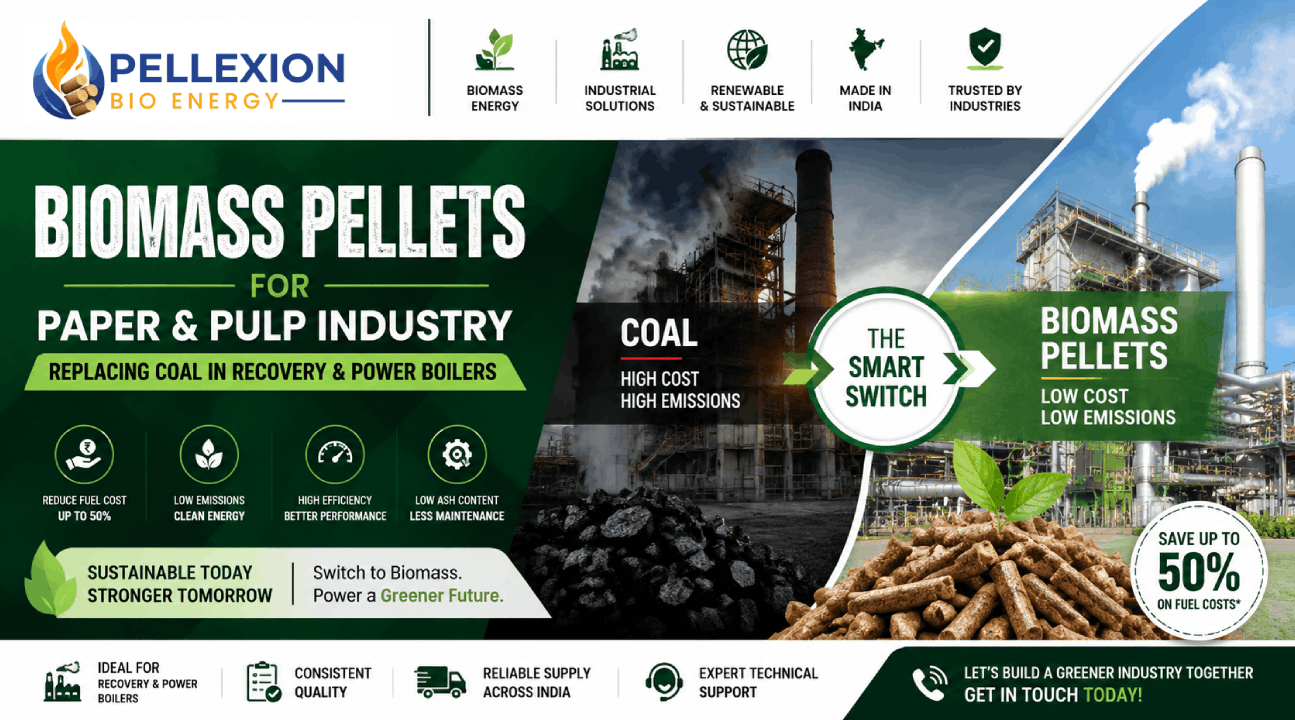
Biomass fuel is generally cheaper than coal, diesel, and LPG on a per-unit heat energy basis. Since it is made from locally available agricultural waste, supply is consistent and prices are more stable. Industries in India using biomass pellets or briquettes from suppliers like Pellexion Bio Energy report significant savings on monthly fuel bills, especially in high-heat-demand operations like boilers and furnaces.
#biomass fuel cost savings, cheap industrial fuel India, reduce energy cost with biomass
Biomass pellets and briquettes are made from a variety of agricultural and organic waste materials including groundnut shells, crop husk, straw, sawdust, wood waste, coriander waste, and agro-processing residues. Pellexion Bio Energy manufactures biomass pellets and briquettes from multiple raw materials including groundnut shell, agriculture waste, coriander waste, and mixed biomass — all sourced from Gujarat and surrounding regions.
#biomass pellet raw materials, agricultural waste biomass fuel, #groundnut shell biomass pellet
In most cases, yes. Biomass pellets and briquettes are designed to be compatible with standard industrial boilers and furnaces. Their uniform size, high calorific value, and low moisture content make them easy to feed into existing systems. Minor adjustments to feed rate or air supply may be needed in some setups, but full equipment replacement is generally not required.
#biomass in existing boilers, #biomass pellet boiler compatibility, #industrial boiler biomass fuel
Switching to biomass energy offers multiple environmental benefits: it reduces greenhouse gas emissions compared to fossil fuels, prevents open burning of agricultural waste which causes air pollution, promotes recycling of organic residues, reduces dependency on imported fossil fuels, and supports India’s national renewable energy targets under climate commitments. Industries that adopt biomass fuel actively contribute to a cleaner and greener industrial ecosystem.
#environmental benefits biomass fuel, #biomass reduce carbon emissions, #green energy industry India
Waste-to-energy with biomass means converting agricultural residues and organic waste — that would otherwise be discarded — into dense, high-energy fuel. Agricultural waste such as groundnut shells, paddy husk, or sawdust is collected, dried, and compressed into biomass pellets or briquettes under high pressure and temperature. These fuel products then generate heat energy when burned in industrial boilers, turning what was once ‘waste’ into a valuable energy resource.
#waste to energy biomass, #agricultural waste energy, #biomass energy conversion India
Yes. Biomass fuel is recognised as a renewable energy source by the Ministry of New and Renewable Energy (MNRE) of India. Burning biomass pellets and briquettes produces significantly lower sulphur and particulate emissions compared to coal. Many state pollution control boards and industrial zones in India actively encourage or mandate the use of biomass fuel as an alternative to coal and furnace oil for industrial heating.
#biomass fuel India regulations, #MNRE biomass energy, #biomass pollution compliance India
Industries across India can source premium biomass pellets and briquettes from Pellexion Bio Energy, a leading manufacturer based in Jamnagar, Gujarat. Pellexion supplies groundnut shell, agriculture waste, coriander waste, and mixed biomass products in both pellet and briquette form. You can enquire directly at pellexionbioenergy@gmail.com or call +91 95106 75879. Visit the website to explore products and get a free quote.
#buy biomass pellets India, #biomass briquette supplier Gujarat, #Pellexion Bio Energy contact






 Total views : 6801